The Valuation Conversation: What Consumers Should Expect at the Pawn Counter in 2026

Photo: jewellery loupe hallmark valuation pawnbroker counter gold, via i.ytimg.com
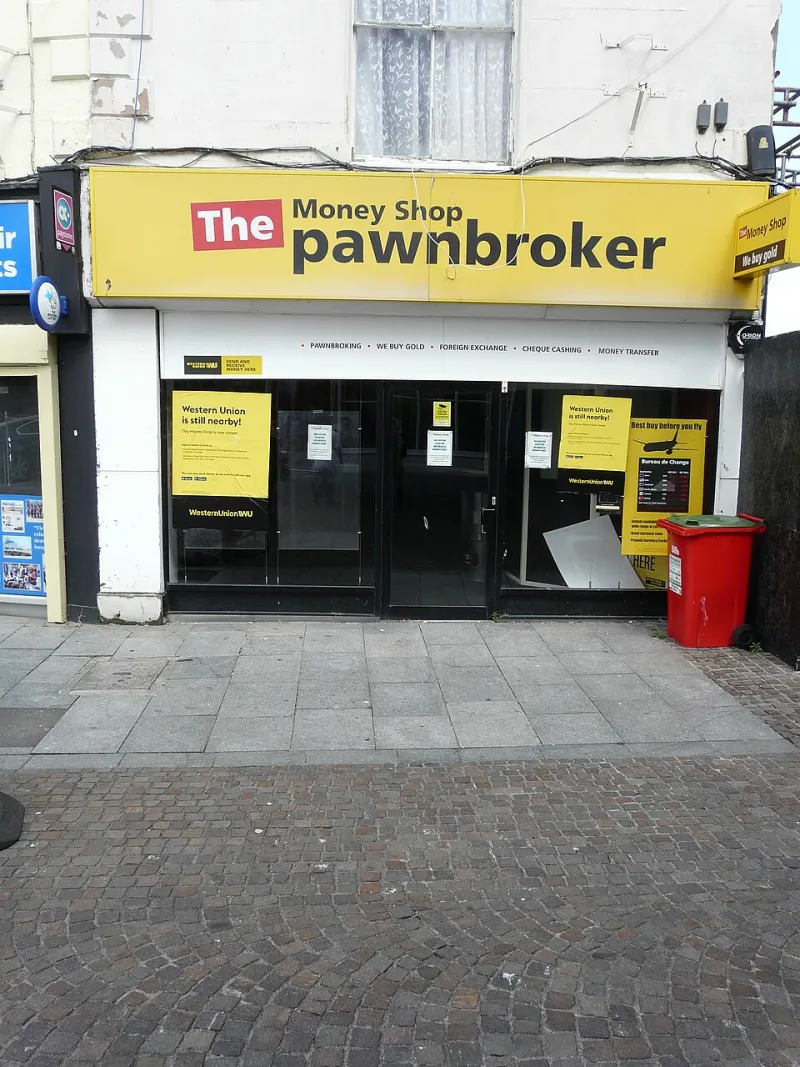
When you place an item on a pawnbroker's counter, the valuation is the point at which a personal possession becomes a financial arrangement. It can feel opaque, particularly if you are under pressure. In 2026, consumers have more information at their fingertips than ever, but a live gold price on a phone screen is not the same as a valuation. This guide explains what a pawnbroker is assessing, why two offers for the same item can differ, and how to have a more informed conversation.
What the pawnbroker is actually assessing
A pawn loan is secured against the item. The pawnbroker is not usually buying it for resale on the day; they are advancing money and holding the item as security. That changes the calculation. The offer reflects the item's realisable value, the risk that the loan is not redeemed, the firm's costs and its loan-to-value policy. An outright sale may produce a different figure because the pawnbroker is taking on stock and resale risk immediately. Always establish whether you are being offered a loan or a sale.
Metal, weight and purity
For gold and silver jewellery, metal content is usually the starting point. A UK hallmark can indicate fineness, such as 9ct, 18ct or 22ct gold, sterling silver or platinum. The pawnbroker will weigh the item and apply a price reference for the relevant metal. Gemstones are often not included in a basic pawn valuation unless they are certified or the firm has specific expertise. Costume jewellery, gold-plated items and pieces with minimal precious metal content may attract little or no loan value. Ask how the metal value has been calculated and which price reference is being used.
Condition, maker's marks and provenance
Condition matters. Scratches, repairs, missing stones, worn settings and broken clasps can affect value. Watches may need a movement assessment, and branded pieces may depend on authenticity and paperwork. Maker's marks, original boxes and certificates can support value, but they do not automatically transform a piece. Some items have collectable or designer appeal beyond scrap value; others do not. A fair valuation should take account of what the item is, not only what it weighs.
Why two valuations can differ
Two pawnbrokers can reach different figures for the same item without either acting improperly. Metal prices move during the day. Firms apply different loan-to-value limits. One may have a stronger resale route for a particular watch or piece of jewellery. Another may be more cautious about condition or authenticity. Overheads, appetite for risk and the length of the agreement can also shape the offer. There is no single universal pawn price. What matters is whether the process is explained, the figures are recorded and the total cost of the arrangement is clear.
Questions worth asking
Before you sign, ask how the metal value has been calculated and whether gemstones or other elements have been included. Ask what loan-to-value is being applied and what the total charges will be, including interest and any fees. Confirm how long the quote is valid and what happens if you cannot redeem on time. Ask for a written summary or pledge ticket that sets out the amount advanced, the charges and the redemption terms. If you do not understand a term, ask for it to be explained in plain English. A reputable counter will expect questions.
Getting a fair valuation
Bring any paperwork, boxes or certificates you have. Clean jewellery gently, but do not polish antiques or repair items yourself before valuation. Separate pieces so that each can be assessed. Compare like with like: a loan offer should be compared with another loan offer on total cost, not only the amount advanced. If you are selling, compare sale offers separately. Take your time where you can. Pressure to decide immediately is not a substitute for a clear explanation.
Red flags to watch for
Be cautious if no paperwork is offered, if fees are vague, if the difference between a loan and a sale is not explained, or if you are pushed towards selling when you asked to pawn. A valuation that seems far below the metal value should come with a reason. You should also expect clear information about what happens if the item is not redeemed. If you are unsure about a firm's conduct, ask for its complaints procedure. Pawnbroking is regulated, and consumers have routes to raise concerns.
A clearer conversation
Valuation is a professional judgment, but it should not be a mystery. The association's consumer-confidence mission is served when customers understand the basis of an offer, the cost of the agreement and the choices available to them. Ask questions, keep the paperwork and do not feel rushed. A fair valuation is not simply the highest number; it is an offer that is transparent, explained and suited to the arrangement you have chosen.