Family Silver, Fair Value: A 2026 Guide to Pledging Heirlooms
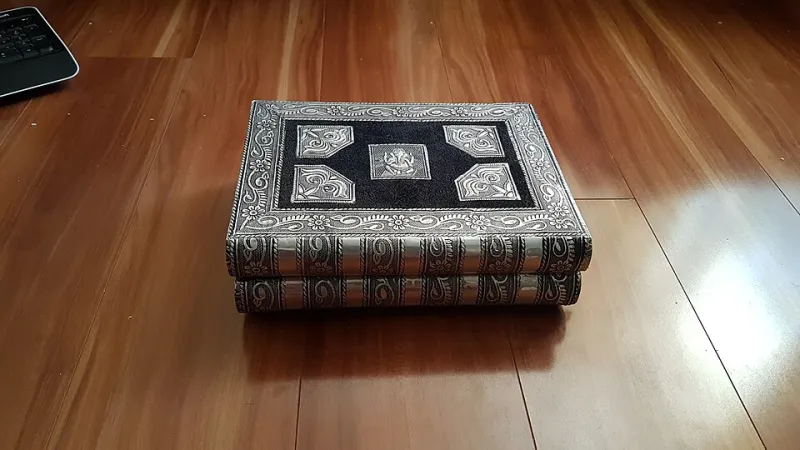
Photo: U3211603, CC BY-SA 4.0, via Wikimedia Commons
An heirloom is rarely just an object. A gold chain may be a christening gift; a watch may mark a retirement; a ring may carry several generations of family history. When an item like this is pledged, the conversation at the counter involves two different kinds of value: the sentimental value held by the customer and the market value that a pawnbroker can responsibly lend against. Good practice depends on keeping both in view without confusing one for the other.
What makes an heirloom pledge different
Ordinary pawn transactions are usually about utility and price. An heirloom pledge adds memory, family expectation and, sometimes, anxiety. A customer may believe an item is worth far more than its resale value because it is old, because it was insured for a higher sum, or because it has been treasured within the family. None of those beliefs are foolish, but they are not the same as a pawn valuation.
For members, the challenge is to be clear without being dismissive. For consumers, the task is to prepare, ask questions and avoid making a rushed decision under emotional pressure.
Before the counter: preparing for an appraisal
Gather whatever documentation exists. This may include receipts, previous valuations, insurance schedules, photographs, hallmarks, maker marks or a family note about provenance. Documentation does not guarantee a higher offer, but it can help the pawnbroker understand the item and record its history.
Think about why the item is being pledged and what redemption looks like. Ask for the total cost of borrowing, including interest and any storage charges, and for a clear explanation of the redemption period. If the item is associated with a family event or is intended for a relative, say so. A reputable pawnbroker will not use sentiment to pressure a customer, but understanding the context can help both sides communicate better.
At appraisal: market value, replacement value and sentiment
A pawn loan is normally based on the item’s resale value and the risk that the pawnbroker may need to sell it if the pledge is not redeemed. That is different from replacement value, which is what it might cost to buy a similar item new, and different again from insurance value. A customer may have insured a ring for more than a pawnbroker can lend against it. That does not mean the valuation is unfair; it means the purposes are different.
Consumers should ask how the figure was reached. A good explanation will refer to metal content, condition, maker, demand and the likely resale route. For items with heritage interest, the pawnbroker may need to take advice. Members should record the basis of valuation and explain any assumptions clearly, particularly where an item is damaged, altered or of uncertain origin.
Storage and insurance questions
Ask where the item will be stored and what security arrangements apply. Pawnbrokers hold pledged goods in secure conditions, but customers should still understand the practical arrangements. Ask whether the item is insured while in the pawnbroker’s custody, what happens if there is a loss, and whether the customer’s own household policy treats pledged items differently. Many home insurance policies will not cover items once they have been pledged, so consumers should check rather than assume.
Keep the pledge ticket, valuation record and any photographs in a safe place. These documents matter at redemption and if a dispute arises.
Redemption conversations
Redemption should be discussed at the start, not left until the final week. Consumers should know the redemption date, the amount required, how to extend or settle early, and what happens if they cannot redeem. If circumstances change, contact the pawnbroker promptly. Early conversation is usually better than silence.
Where an item is not redeemed, the pawnbroker may be entitled to sell it. That can be distressing when family memory is involved. Members should explain the process fairly, give clear notices and handle conversations with sensitivity. Consumers who are unsure about the terms should ask for an explanation in writing and seek independent advice where needed. If a complaint cannot be resolved, the Financial Ombudsman Service may be able to help.
Best-practice notes for members
Document condition carefully before storage. Use dated photographs, a written description and, where appropriate, a customer acknowledgement. Record distinguishing features, existing damage and any uncertainty about provenance. This protects both customer and firm.
Manage emotional expectations without dismissing them. Explain that sentimental value is understood but that the loan is based on resale value. Avoid language that makes a customer feel foolish for attaching memory to an object. Allow time for questions. Where a customer appears vulnerable, offer space to consider the decision and signpost support where appropriate.
Make charges and redemption terms prominent. A customer in distress may not absorb every detail, so provide a clear written summary and invite questions. Review complaints and near-misses for lessons about communication.
A balanced approach in 2026
Heirloom pledges will always involve a degree of tension between memory and market reality. The answer is not to pretend that tension does not exist. It is to make the appraisal transparent, the storage and insurance arrangements clear, and the redemption conversation honest from the outset. Handled well, an heirloom pledge can provide short-term help without turning a family treasure into a source of avoidable regret.