Counting More Than Cash: The Enduring Case for Face-to-Face Pawn Counters
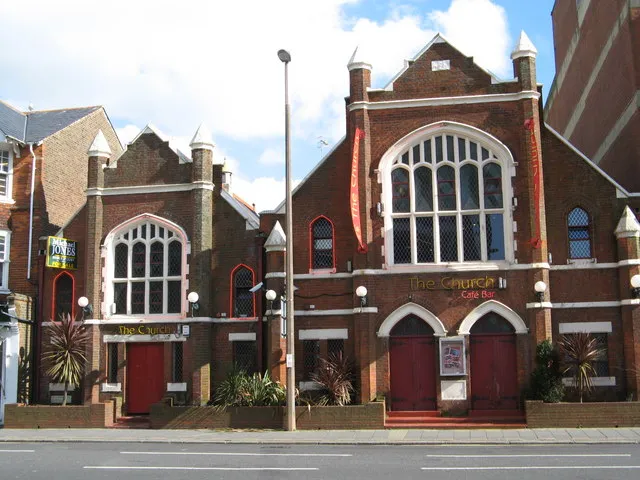
Photo: Josie Campbell , CC BY-SA 2.0, via Wikimedia Commons
Bank branch closures are rarely experienced as an abstract statistic. For a household in a town where the last counter has closed, the loss of a familiar place to ask questions, verify identity and handle cash can change how credit feels. In that environment, the pawnbroking branch performs a function that is often overlooked in debates about access to finance: it provides a regulated, face-to-face point of contact for consumers who may be poorly served by remote channels.
The National Pawnbrokers Association has long argued that pawnbroking is a straightforward form of secured lending: a consumer pledges an item, receives a loan, and redeems the item on repayment. The model is simple, but the setting matters. A physical counter allows staff to explain the pledge ticket, check understanding and observe whether a customer needs additional support. As UK bank branch networks and cash-access points continue to contract, those interactions deserve to be understood as part of the financial inclusion picture rather than as a retail footnote.
The Inclusion Case for a Physical Counter
Financial inclusion is not only about whether a product exists. It is also about whether people can reach it, understand it and use it without avoidable difficulty. A high street pawnbroker can serve customers who prefer cash, who lack reliable digital access, who need help completing paperwork or who value a private conversation about repayment. These are not niche needs. They are everyday realities for many households managing tight budgets.
The counter also supports a form of financial resilience that is easy to miss in aggregate data. A customer may use pawnbroking once to bridge a short-term gap and not return for years. Another may pledge an item and redeem it regularly because the process is clear and the item remains their own. The common thread is control: the customer knows what is being pledged, what the loan costs and what must happen to recover the item. That transparency is a meaningful consumer protection feature, particularly when credit decisions are made quickly and in person.
None of this means that face-to-face pawnbroking is a substitute for mainstream banking. It is not. The point is narrower and more practical: where mainstream access recedes, regulated local counters can prevent some consumers from being pushed towards unregulated or less transparent alternatives.
Consumer Duty at the Counter
Consumer Duty has sharpened the focus on outcomes rather than intentions. Firms are expected to act in good faith, avoid foreseeable harm and support customers to pursue their financial objectives. For pawnbrokers, the counter is where many of those expectations become visible: in the clarity of the pledge ticket, the explanation of fees, the handling of redemption, the support offered when a customer is struggling and the signposting to other help where appropriate.
A physical setting can support good outcomes, but it does not guarantee them. A busy counter can still produce rushed explanations. A familiar member of staff can still miss signs of vulnerability. The inclusion case therefore depends on training, supervision and evidence. Members should be able to show not only that they serve local communities, but that they do so consistently and fairly.
Vulnerability Is Not Always Visible
Vulnerability can arise from poor health, bereavement, caring responsibilities, low financial resilience, communication needs or coercion by another person. It is not always disclosed, and it is not always permanent. A customer who appears confident at one visit may need more time and privacy at the next.
The pawn counter has an advantage here: it allows staff to adjust the pace of a conversation and to use a private space where available. It also allows them to notice when a customer does not understand the redemption date, the consequences of non-redemption or the identification required. These observations should be recorded sensitively and used to improve service, not treated as box-ticking.
From Good Practice to Evidence
Community value is not a slogan; it is an auditable record. In 2026, members should consider how their branch activity can be documented in a way that is proportionate, privacy-conscious and useful for supervisory conversations, local stakeholders and consumer communications. Useful evidence may include:
- anonymised records of access needs met, such as additional time, alternative communication or private space;
- branch access audits covering opening hours, step-free access, signage and cash handling;
- training and competence records for Consumer Duty, vulnerability and pledge-ticket explanations;
- customer feedback and complaints outcomes, including what changed as a result;
- local partnership and referral logs, where appropriate and with consent;
- a stakeholder engagement diary covering meetings with local authorities, MPs, community groups or police liaison officers;
- records of how the branch supports cash access and face-to-face verification in its local area.
The aim is not to create a parallel regulatory reporting regime. It is to make the everyday work of the counter visible in a form that can be relied on when questions are asked.
Communicating the Value
Regulators, local stakeholders and consumers need different levels of detail. A supervisory conversation may focus on outcomes, controls and evidence. A local authority or MP may want to understand access, footfall and the practical effect of closures elsewhere. Consumers need plain-English information about what the branch offers and how to raise a concern.
A short annual community value statement can help. It might summarise the branch's role in local cash access, the support available for customers with additional needs and the standards customers should expect. It should avoid overclaiming and should be consistent with the firm's regulatory obligations. Local engagement should be recorded, not simply recalled.
The Future of the Counter in 2026
The future of pawnbroking is unlikely to be purely digital or purely physical. Appointment booking, digital records and online communication can improve convenience, but they do not remove the need for a place where a customer can speak to a trained person and handle the transaction securely. The strongest branches will combine both, using technology to reduce administrative friction while preserving the human checks that support fairness.
The branch that still counts is not merely one that survives. It is one that can show why it matters, how it treats people and what it contributes to local financial access. In 2026, that evidence should be part of every member's business discipline.