Cover, Custody and Claim: Who Bears the Risk When a Pledge Goes Missing?
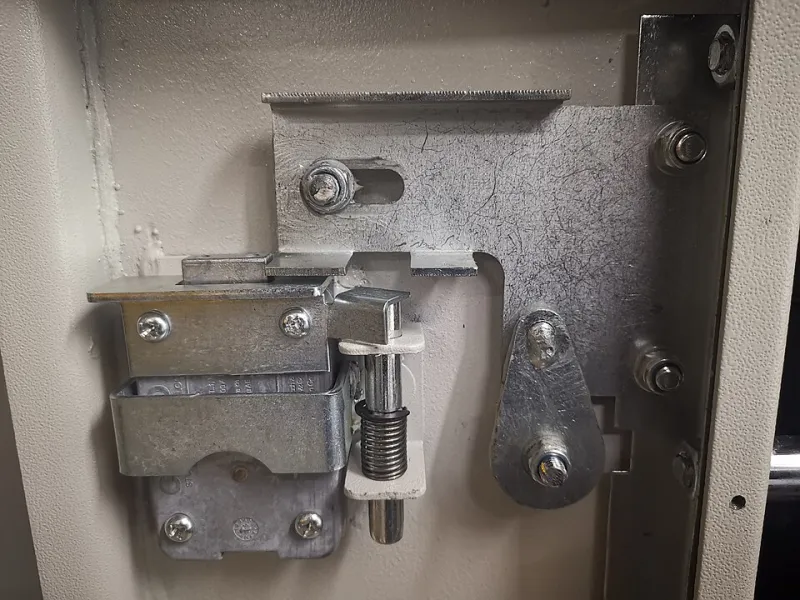
Photo: Binarysequence, CC BY-SA 4.0, via Wikimedia Commons
When a customer leaves a watch, a ring or a piece of family silver at a pawnbroker’s counter, the transaction is not simply a loan secured on an object. It is also an act of custody. The item is held by the broker until it is redeemed, renewed or, in the case of default, sold in accordance with the agreement. That custody brings a duty of care — and with it, questions about what happens if the item is lost, stolen or damaged while it is in the broker’s keeping.
Losses are uncommon. Pawnbrokers maintain safes, alarms, CCTV, insurance and documented procedures precisely because pledged goods are valuable and because consumer confidence depends on proper handling. But a safe is a control, not a guarantee. The useful question for consumers and members alike is not whether loss can ever happen, but how responsibility is allocated and how a claim should be resolved when it does.
The broker’s custodial duty
A pawnbroker takes possession of pledged goods as security for a loan. In practical terms, that makes the broker a custodian. The precise legal position depends on the facts and the terms of the agreement, but the starting point is straightforward: a broker must take reasonable steps to protect pledged items from loss, theft and damage. That includes secure storage, appropriate handling, staff training and sensible record-keeping.
This duty is not a promise that nothing will ever go wrong. It is a standard of care. If an item is lost because of a failure in that care — for example, through inadequate storage, poor stock control or a failure to follow documented procedures — the consumer has a legitimate basis for complaint and, where appropriate, for a claim. If the loss occurs despite proper controls, the broker’s insurance arrangements and the terms of the pledge agreement become central to what happens next.
Consumers should recognise that the pledge ticket is not merely a receipt. It is a record of the item, the loan, the parties and the dates. Photographs, descriptions, valuations and storage logs all support a fair assessment if a dispute arises. A well-run counter can show what was pledged, when it was stored, who handled it and what steps were taken to protect it.
Two different protections: business cover and consumer routes
One of the most common misunderstandings is to treat a pawnbroker’s business insurance as though it were a consumer protection scheme. It is not. Business insurance is a contract between the broker and its insurer. It may cover pledged goods against fire, theft, water damage or other specified risks, subject to policy limits, excesses and exclusions. It helps the broker meet its liabilities, but it does not give the consumer a direct right to claim on the policy in the way that, say, a motor insurance policy might.
Consumer protection operates through a different route. Pawnbroking is regulated consumer credit activity, and consumers can complain about the broker’s conduct through the firm’s internal complaints procedure. If a complaint is not resolved to the consumer’s satisfaction within eight weeks, or if the firm issues a final response earlier, the consumer may be able to take the matter to the Financial Ombudsman Service. The ombudsman can consider complaints about regulated pawnbroking activity, including how a broker handled a pledge, but it does not act as an insurer and does not simply pay out for every loss.
In practice, the two routes can overlap. A consumer may complain that the broker failed in its duty of care; the broker may then look to its insurer to meet any liability. For members, the compliance lesson is to ensure that insurance cover and complaint handling are treated as connected parts of the same control environment, not as separate administrative tasks.
What records make possible
Fair outcomes depend on evidence. If a pledged item is damaged in storage, the first questions will be: what was the item’s condition when it was accepted, how was it stored, and what does the record show? A clear pledge ticket, a dated photograph and a note of any existing wear or damage can prevent a disagreement from becoming a dispute.
The same applies to loss and theft. Brokers should be able to show that items were logged in and out, that access to safes was controlled, and that alarms and CCTV were maintained. Consumers can help by checking that the description on the ticket is accurate before they sign, and by keeping their own copy safe. If an item has distinguishing features, it is reasonable to ask that they are recorded.
Records also support consistency when a claim is made. A broker that can produce a complete audit trail is better placed to respond promptly, whether the outcome is an insurance claim, a settlement or a reasoned rejection. For the consumer, that same trail provides a basis for an informed complaint rather than a general assertion.
If something goes wrong: a calm sequence
When a pledged item is lost, stolen or damaged, the consumer should report the matter to the broker as soon as possible and ask for the firm’s complaints procedure in writing. It is sensible to keep the pledge ticket, any correspondence and a note of dates and conversations. The broker should explain what is being investigated, what records are being reviewed and what the next steps are.
Members should handle such reports through a documented process: acknowledge the report, secure the evidence, notify the insurer in line with policy conditions, and keep the consumer informed. Good complaint handling does not mean accepting every claim without inquiry. It means being transparent about the process and reaching a fair outcome on the evidence.
If the complaint remains unresolved, the consumer can ask the Financial Ombudsman Service to consider it. Legal advice may also be appropriate where the value is significant or the facts are complex. The important point is that there is a route beyond the counter — and that a well-prepared broker is not threatened by that route, but supported by it.
For members: checking cover before the next peak
As 2026 draws towards its busiest weeks, members should review their insurance schedules with the same care they apply to lending decisions. Check that pledged goods are covered at realistic values, that storage and transit are within the policy terms, and that any sub-limits or exclusions are understood. Confirm that staff know how to report a loss internally and that the complaints procedure is accessible and up to date.
A safe is an important control. Insurance is an important backstop. Neither replaces clear records, trained staff and a fair complaints process. When those elements work together, the question of who bears the risk becomes far less unsettling — for the consumer and for the broker alike.