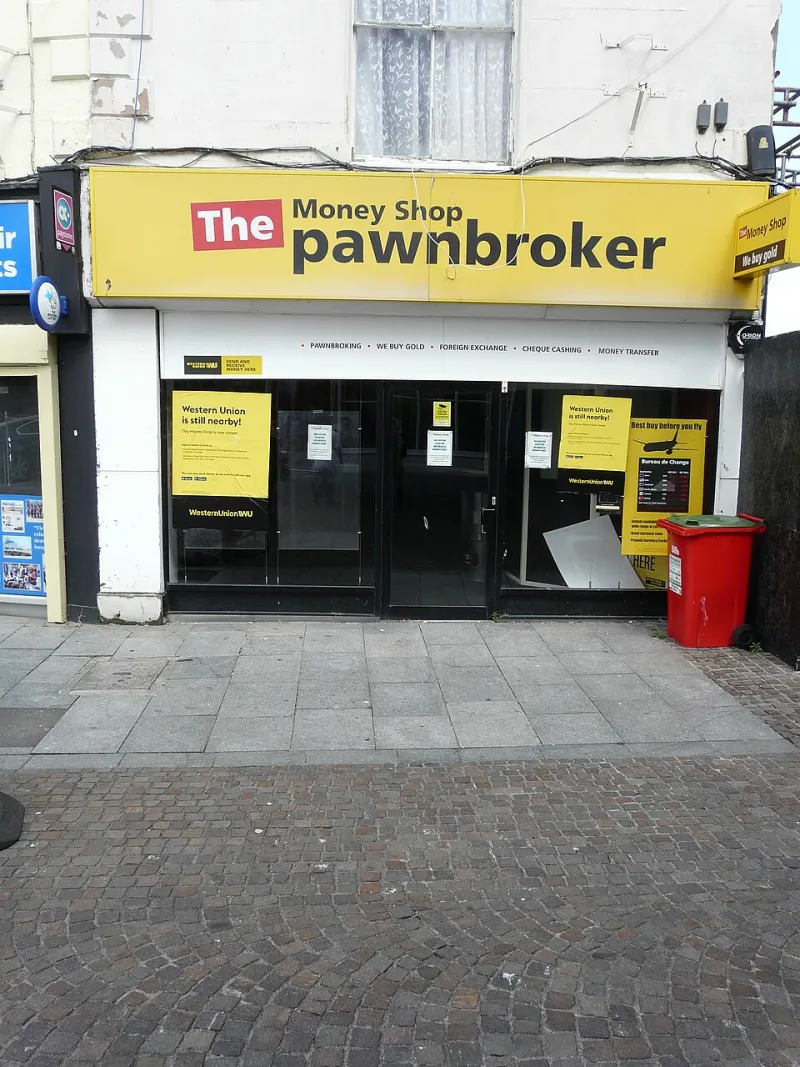
Continuity of Care: Consumer Safeguards When a Pawnbroking Business Leaves the Market

Pawnbroking depends on a straightforward bargain: a borrower pledges an item, receives a loan, and retains the right to redeem the item by repaying the debt and any agreed charges within the terms of the agreement. That bargain does not disappear simply because the pawnbroking business stops trading. Whether a shop closes unexpectedly, enters insolvency, or transfers its loan book to another firm, consumers need a clear route to protect their position and recover their goods where possible.
What closure means for a pledge
A pledge is not an outright sale. The borrower remains the owner of the item, subject to the pawnbroker’s security interest under the agreement. If the business becomes insolvent, an insolvency practitioner — usually an administrator, liquidator or trustee — will take control of the company’s assets and affairs. Pledged items and the associated loan book may form part of that process, but they remain subject to borrowers’ redemption rights and to the consumer credit rules that governed the original agreement.
In practice, the insolvency practitioner should identify pledged goods, match them to loan records, and establish a process for redemption, transfer or, where the agreement permits, sale. Consumers should not assume that a closed door means a lost item. Equally, they should not assume that the process will be quick or that the original branch contact will remain available.
If the doors close without warning
An unexpected closure is unsettling, particularly when the pledged item has sentimental value. The first step is to gather evidence. Keep the pledge ticket, any loan agreement, receipts, bank statements showing payments, correspondence and photographs of the item. Note the business name, branch address, account or ticket number, the date of the pledge and the amount outstanding.
Check the Financial Conduct Authority’s register to confirm the firm’s regulatory status and any known contact details. Look for notices on the shop door, the company’s website and Companies House filings. If an insolvency practitioner has been appointed, their details should be published in the insolvency notice and on the company’s website. Contact them in writing, explain that you are a pledged-goods customer, and ask for the process and timescale for redemption or collection.
Do not send original documents unless you have been asked to do so through a verified channel. Keep copies. If you receive a letter or email asking for payment before goods are released, check that it comes from the appointed practitioner or a properly authorised transferee. Fraudsters can exploit uncertainty, so verify bank details independently.
When the loan book is transferred
Some pawnbroking businesses exit the market by transferring their loan book and pledged items to another regulated firm. A transfer does not automatically change the borrower’s underlying rights, but it can change the practical arrangements. Consumers should receive clear information about the new operator, how to redeem, where to attend and what happens to existing terms.
If you are told that your pledge has been transferred, ask for written confirmation of the new arrangement. Confirm the ticket number, the amount required to redeem, the deadline and the location for collection. Check that the new firm is authorised and that its contact details are genuine. If the terms appear to change materially, seek independent advice before making a payment.
Records that make a difference
Good record-keeping is the consumer’s best protection in any disruption. A complete paper trail helps an insolvency practitioner, a transferee or a complaints body understand the position quickly. It also reduces the risk of a pledge being misidentified or a payment being misapplied.
Consumers should retain:
- the original pledge ticket and any duplicate;
- the loan agreement and associated terms;
- receipts for interest or redemption payments;
- bank or card statements showing payments;
- identification documents used at the counter;
- written correspondence with the pawnbroker;
- photographs and descriptions of the pledged item.
If the ticket has been lost, the article “If the Paper Trail Breaks” on this site sets out the general steps consumers can take. In an insolvency situation, those steps should be combined with written contact to the practitioner handling the case.
Practical actions for borrowers
Act promptly but carefully. Write to the appointed practitioner or transferee, keep a copy of every message, and set out the facts in a short chronology. Ask three questions: what is the redemption amount, what is the deadline, and what evidence is required to release the item. If you cannot afford to redeem immediately, ask whether a short extension or payment arrangement is possible. Do not ignore correspondence, because deadlines may matter.
Where a consumer believes the process is unfair or that the firm has not followed the agreement, they can seek advice from Citizens Advice or a solicitor. Complaints about regulated consumer credit activity may also be considered by the Financial Ombudsman Service, subject to its eligibility rules and the status of the firm. The Insolvency Service publishes guidance on insolvency processes, but it does not act for individual consumers.
The standards dimension
Orderly wind-down planning is part of consumer confidence. A pawnbroker that maintains accurate pledge records, trains staff on closure procedures, and documents how pledged goods will be handled gives customers a clearer path if the worst happens. Association membership standards are designed to encourage that discipline, alongside transparent terms, clear complaints handling and responsible conduct at the counter.
Regulation sets the legal floor. Good practice builds the trust that allows consumers to use pawnbroking with confidence. In 2026, as the market continues to evolve, the test is not only how a business operates when times are good, but how it protects customers when the shutters come down.
This article provides general information and is not legal or financial advice. Consumers facing a specific insolvency situation should seek independent advice and verify all contact details through official sources.